Deciding when a roof needs replacing is rarely based on a single issue. Age, design, materials, and overall performance all play an important role in determining whether repairs are still effective or whether replacement becomes the more practical long-term solution. For property owners in Great Barr, understanding how these factors interact helps ensure informed decisions that protect the structure and function of the entire building.
The Role of Roof Age in Long-Term Performance
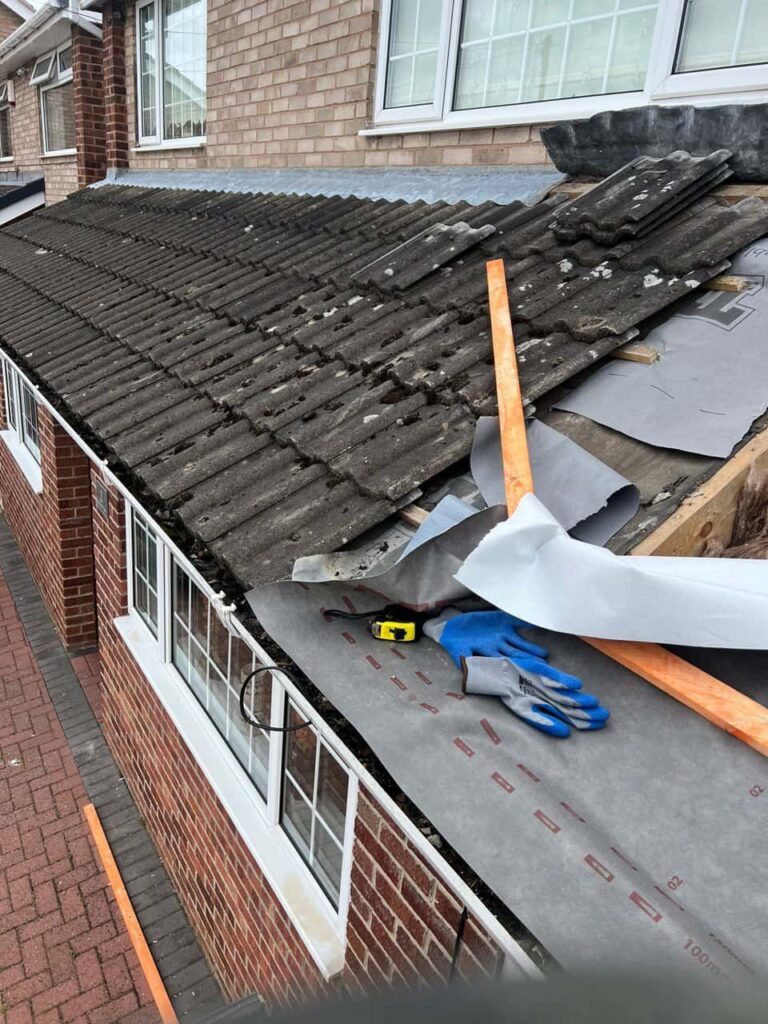
All roofing systems have a natural lifespan. As a roof ages, materials gradually lose their ability to perform as intended. Tiles may become brittle, membranes can weaken, and fixings may loosen due to years of exposure to weather and temperature changes.
Older roofs are also more likely to experience recurring issues rather than isolated faults. When repairs become more frequent or problems begin appearing in multiple areas, it often indicates that the roof has reached a stage where replacement should be considered. Age alone does not automatically require replacement, but it is a key factor in assessing reliability and future performance.
How Roof Design Affects Durability
Roof design has a significant influence on how well a roof ages. Factors such as pitch, layout, drainage paths, and detailing around joints all affect how water is shed and how stress is distributed across the structure.
Complex roof designs with multiple valleys, dormers, or junctions tend to experience wear more quickly at vulnerable points. Over time, these areas can become recurring sources of leaks or deterioration. Simpler designs often age more evenly, making maintenance and long-term planning more predictable.
Understanding the strengths and limitations of a roof’s design helps determine whether continued repairs will remain effective or if replacement offers a more reliable solution.
Material Compatibility and Design Limitations
Some roof designs were originally built around materials or construction methods that no longer perform well under modern conditions. As materials age, finding suitable replacements that integrate properly with the existing roof can become more difficult.
In certain cases, repeated repairs introduce mixed materials that respond differently to temperature changes and moisture. This mismatch can create new stress points, reducing the effectiveness of future repairs. Replacement allows the roof to function as a complete, unified system rather than a collection of patched sections.
Structural Movement and Design Age
Over time, buildings naturally settle and shift slightly. Roofs designed decades ago may not accommodate this movement as effectively as modern systems. As the roof structure moves, stresses can develop in tiles, joints, and fixings.
When design limitations combine with advanced roof age, repairs may address individual symptoms without resolving the underlying causes. Replacement provides an opportunity to restore structural consistency and improve long-term stability.
Weather Exposure and Roof Design
Roof design also determines how well a property copes with prolonged weather exposure. Certain designs are more vulnerable to wind-driven rain or pooling water, particularly as materials age.
As protective layers weaken, these design-related vulnerabilities become more apparent. When weather-related issues continue despite repairs, replacement may offer improved resilience and reduced future disruption.
When Replacement Becomes the Practical Choice
Replacement decisions are usually influenced by a combination of age-related decline and design limitations rather than one single fault. If repairs no longer provide lasting results or the roof struggles to perform as a complete system, replacement becomes a logical step.
A professional assessment considers how age and design work together, identifying whether targeted repairs are still suitable or whether replacement will deliver greater long-term reliability.
Professional Guidance Makes the Difference
Every roof in Great Barr has unique characteristics shaped by its age, design, and maintenance history. Making the right decision requires a detailed understanding of how these factors affect performance.
Great Barr Roofing Repairs approaches replacement assessments with a whole-roof perspective, ensuring recommendations are based on long-term protection rather than short-term fixes. This helps property owners make confident decisions that support the integrity of their buildings.
Conclusion
Roof age and design play a crucial role in determining when replacement should be considered. As materials deteriorate and design limitations become more apparent, repairs may no longer provide dependable protection.
For property owners in Great Barr, a professional roof assessment offers clarity on whether continued repairs are appropriate or if replacement is the best way forward. By understanding how age and design influence performance, you can ensure your property remains secure, weather-resistant, and structurally sound for years to come.
Call us on: 0121 726 1298
Click here to find out more about Great Barr Roofing Repairs
Click here to complete our contact form and see how we can help with your roofing needs.