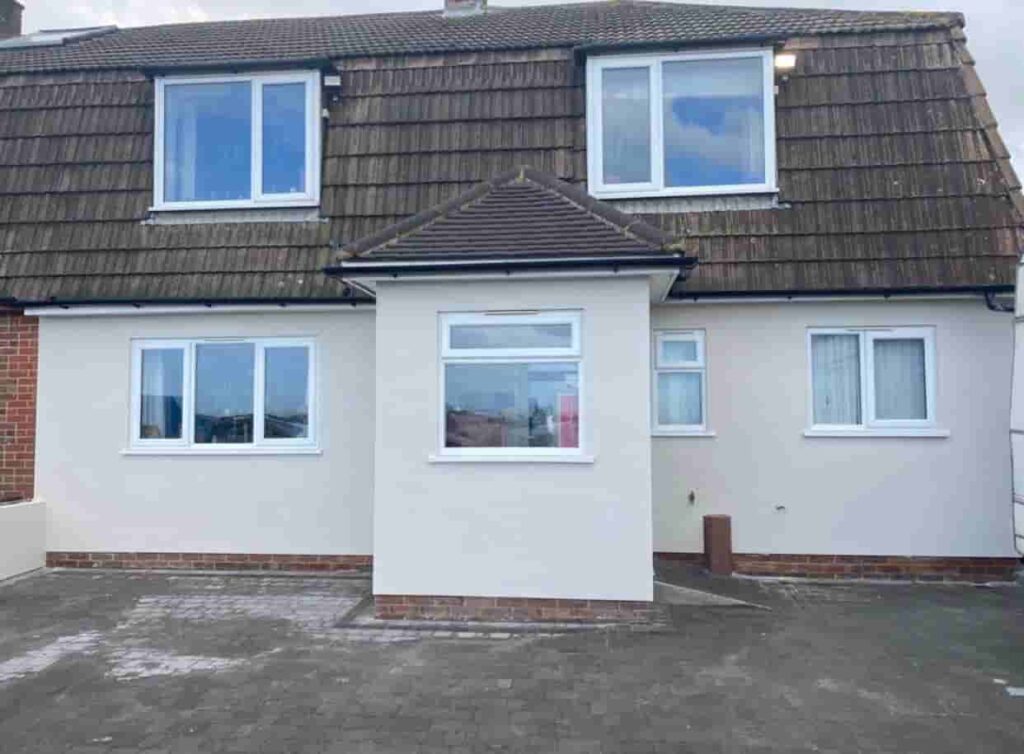
Individual roof defects are common and do not necessarily indicate that the entire roofing system is deteriorating. A slipped tile, isolated flashing problem or small leak can often be repaired while the remainder of the roof continues to perform effectively. The situation becomes more significant when problems begin appearing across different areas or involve several roofing components at the same time.
For homeowners in Great Barr, West Midlands, recognising the difference between localised damage and general roof decline can help determine when a broader professional assessment is appropriate. Rather than focusing only on the latest visible defect, examining the pattern, frequency and location of roofing problems can provide a much clearer picture of the roof’s overall condition.
How Can You Tell When Roof Problems Are Becoming Widespread?
A roofing system includes much more than its visible tiles or slates. The covering, fixings, battens, underlay, flashing, valleys, ridges and junctions all work together to protect the property.
When one component develops a localised fault, targeted repair may be sufficient. When several different components begin deteriorating, particularly across unrelated sections of the roof, this can suggest that the system as a whole is becoming less dependable.
Repairs Are Becoming Increasingly Frequent
One of the most useful indicators of general roof decline is a noticeable increase in repair frequency.
A roof that requires an occasional repair over a long period may still be performing perfectly well overall. However, if new defects begin appearing every few months or increasingly often, this can indicate that several components are reaching a similar stage of deterioration.
The individual problems might initially seem unrelated. One repair may involve a slipped tile, another a leaking junction and another deteriorating ridge components.
Viewed together, the increasing frequency can reveal a wider change in roof condition.
Problems Are Appearing in Several Different Areas
Location is just as important as frequency.
Repeated trouble in one small section can indicate a specific local weakness. Problems developing across several roof slopes or unrelated areas are more suggestive of general deterioration.
This does not automatically mean that the roof needs replacing.
However, once defects are no longer concentrated around one identifiable weakness, assessing the complete roof becomes more useful than treating every new problem independently.
Multiple Tiles or Slates Are Beginning to Deteriorate
An individual cracked or slipped tile can often be replaced without difficulty.
Greater concern is justified when similar problems start appearing throughout the covering. Tiles may become increasingly cracked, loose or displaced, while slates can develop repeated failures across different sections.
A reliable local repair needs sound surrounding materials.
If neighbouring tiles or slates are also becoming unreliable, each new repair has less dependable existing roofing with which to integrate.
Slipped Tiles Keep Appearing After Previous Repairs
Recurring tile movement can provide valuable information about what is happening beneath the visible covering.
If one tile slips because of an isolated defect and remains secure after repair, there may be little reason for concern. If different tiles repeatedly move across the same roof or several areas, deteriorating fixings or supporting components may be involved.
Simply repositioning each tile as it slips may then fail to address the wider cause.
A professional assessment can examine whether repeated movement reflects isolated faults or a broader decline within the roofing system.
Leaks Are Developing in Unrelated Locations
One roof leak can sometimes create several internal damp marks because water can travel beneath the covering before becoming visible.
However, when investigation identifies genuinely separate entry points across the roof, the overall condition deserves closer consideration.
Several leaking junctions, damaged sections of covering or other independent weaknesses can indicate that deterioration is no longer confined to one component.
The important factor is identifying the causes rather than simply counting the number of internal damp patches.
Previous Repairs Are Surrounded by New Deterioration
A roof can contain numerous successful repairs and remain dependable.
Problems arise when the original materials surrounding those repaired areas begin deteriorating. Over time, the roof may develop an increasing number of small repaired sections separated by progressively less reliable original roofing.
Another local repair may still be possible, but the pattern eventually becomes important.
If new defects repeatedly develop between older repairs, a broader assessment can establish whether continued patching remains practical.
Roof Junctions Are Beginning to Fail in Several Places
Roof junctions are particularly important because they manage water where different surfaces and materials meet.
Flashing, valleys and other weatherproofing details can develop isolated defects without indicating that the entire roof is declining. However, deterioration appearing across several different junctions can suggest that multiple components are ageing together.
These areas should be assessed alongside the main roof covering.
The objective is to determine whether the problem remains limited to specific details or forms part of more widespread deterioration.
Ridge and Hip Areas Are Showing Repeated Problems
Ridges and hips form prominent parts of many pitched roofs and remain continually exposed to weather.
One localised defect can often be repaired. Repeated movement or deterioration along several sections can indicate that the condition of these components has changed more generally.
The surrounding tiles and supporting arrangement should also be considered.
Looking at the complete area provides more useful information than repeatedly treating whichever individual component has most recently become noticeable.
The Roofline Is Becoming Visibly Uneven
Changes in the overall appearance of a roof can sometimes justify closer investigation.
Tiles or slates may begin sitting inconsistently, sections can appear uneven, or areas that were previously uniform may develop noticeable changes in alignment.
Not every visual irregularity indicates serious deterioration, particularly on an established roof.
However, a developing change in appearance combined with leaks, repeated tile movement or other defects deserves professional assessment to establish what is causing it.
Water Ingress Keeps Returning
A recurring leak can indicate that the original source has not been identified correctly, but it can also reveal that deterioration extends beyond the area previously repaired.
Water movement beneath roof coverings can make diagnosis difficult. Moisture may enter in one location and appear internally somewhere else entirely.
Where water ingress continues despite several repairs, repeatedly treating the latest visible symptom may no longer be sufficient.
The wider roof and previous repair areas should be considered together to identify whether there is a broader problem.
Hidden Components May Also Be Deteriorating
The visible roof covering provides only part of the picture.
Battens, underlay, fixings and other concealed components contribute towards supporting the covering and managing moisture. Problems with these materials may not become obvious until tiles are removed during repair work or repeated defects begin appearing.
If investigation reveals deterioration beneath several areas of the covering, this can be more significant than one isolated damaged component.
The extent of hidden deterioration is therefore an important consideration when assessing the overall health of an older or increasingly problematic roof.
Different Types of Problems Appearing Together Can Be Significant
A declining roofing system does not always produce one repeated symptom.
Instead, homeowners may notice a combination of issues: slipped tiles in one area, deteriorated flashing elsewhere, recurring water ingress and problems around ridges or valleys.
Individually, each fault may appear repairable.
When several types of deterioration develop within a similar period, however, the combined pattern can indicate that multiple parts of the roof are becoming less reliable.
Weather Is Exposing New Weaknesses More Often
Strong winds and prolonged rainfall can expose weaknesses within roofing materials.
An isolated problem following particularly demanding weather does not necessarily indicate general deterioration. The more significant pattern occurs when each period of adverse weather seems to reveal another defect.
This can suggest that different areas are becoming increasingly vulnerable.
A roof that previously handled similar conditions without difficulty but now develops frequent problems may benefit from a complete condition assessment.
The Remaining Original Materials Matter
Successful roof repairs rely on dependable existing materials.
When a repair is carried out, new or replacement components need to integrate with the roofing that remains. If those surrounding materials are sound, targeted repair can provide an appropriate solution.
As general deterioration progresses, finding dependable surrounding material can become increasingly difficult.
This is one of the reasons widespread decline can eventually make larger-scale renewal more suitable than continuing with a series of small repairs.
Does General Roof Decline Automatically Mean Replacement?
Not necessarily.
A roof can show deterioration across several components while still having sections suitable for repair. In some situations, problems may be concentrated on one roof slope or within a particular group of components.
Professional assessment is needed to establish the boundaries of the deterioration.
The aim should not be to recommend replacement simply because a roof is older or has required several repairs. Equally, repeatedly repairing isolated symptoms is unlikely to be the best approach when the underlying roofing system has become extensively unreliable.
When Should You Arrange a Complete Roof Assessment?
A broader roof assessment becomes particularly worthwhile when you notice:
- repairs becoming noticeably more frequent;
- slipped or cracked tiles appearing in several locations;
- recurring leaks despite previous work;
- several independent areas of water ingress;
- deterioration around multiple roof junctions;
- repeated ridge or hip problems;
- new defects developing around previous repairs;
- visible changes in the alignment of the roof covering;
- different types of roofing faults appearing within a short period;
- evidence that concealed components are also deteriorating.
No single sign automatically proves that the complete roofing system is failing. The pattern created by several of these symptoms provides much stronger evidence.
Why Professional Diagnosis Is Important
Assessing overall roof condition involves more than identifying visible damage from ground level.
The location of defects, previous repair history, condition of surrounding materials and evidence of water ingress all need to be considered. Where appropriate, accessible supporting components can also provide important information about what is happening beneath the covering.
This helps distinguish between a roof experiencing several repairable local defects and one undergoing more general deterioration.
Making that distinction allows any recommended work to remain proportionate to the actual condition of the roof.
Professional Roof Assessment in Great Barr, West Midlands
At Great Barr Roofing Repairs, we understand that homeowners can become concerned when roofing problems start appearing more regularly or in different parts of the property.
Assessing individual defects within the context of the complete roofing system helps determine whether repairs can remain targeted or whether deterioration has become more widespread. This approach also helps avoid disturbing roofing that continues to perform correctly.
For property owners in Great Barr, professional assessment can provide a clearer understanding of the roof’s current condition and the most appropriate way to restore dependable performance.
Conclusion
The strongest indication that an entire roofing system may be declining is not one particular defect but a developing pattern of problems. Increasing repair frequency, deterioration across several roof areas, recurring leaks, repeated tile movement and problems affecting multiple roofing components can all suggest that the roof’s overall reliability is changing.
These signs do not automatically mean that complete replacement is necessary. Some deterioration may remain suitable for targeted or sectional repair, particularly where substantial areas of the existing roof are still sound.
If your roof in Great Barr, West Midlands is developing increasingly frequent or widespread problems, contact Great Barr Roofing Repairs. We can assess the condition of the roofing system and recommend an appropriate approach based on the extent and cause of the deterioration.
Call us on: 0121 726 1298
Click here to find out more about Great Barr Roofing Repairs
Click here to complete our contact form and see how we can help with your roofing needs.